When most people think of hat making they only think of the end process. The milliner, hand blocking the felt hood in a fashionable shape, garnished with a classic grosgrain or pretty flower. That is like thinking that yards of silk magically appear to be cut by the seamstress into a shirt and not realizing that the whole process stars with silk worms. The same applies to wool felt hats. The process starts with sheep, flocks of sheep, that need to grow nice wooly coats before being sheared and passing it on to us.
Saint Clement, is the patron saint of felt makers. The story goes that he was on a pilgrimage and his wooden clogs were rubbing agains his raw ankles. Not having a band-aid back then, he picked some sheep's fleece from a bush and stuck it in the back of his clog for added comfort. Off he went and when he got to the end of his pilgrimage, the heat, friction and sweat from his ankles rubbing agains the clog, had made the wool into felt. Ergo, the secret to felt making is ample heat, hot water and friction.
So here we go on a magical mystery tour of making a wool felt body. After this you may ask yourself, "How on earth can anybody sell a hat for under $100"!!!
Bales of tightly packed sheared sheep's wool shows up at the facility. The workers sort through it for discolorations, twigs etc.
The wool is dipped into acid wash to kill any vermin that might have hitched a ride.
http://www.youtube.com/watch?v=0VrUJSf4uMo&feature=plcp
The wool is then ready for a good washing.
And it comes out the other side looking like white puffy clouds.
The cleaned raw wool is then fed into a machine where it is felted into sheer sheets of cobweb like felt.
The thin cobweb sheets are fed around a cone shaped block to a pre-decided thickness.
http://www.youtube.com/my_videos_edit?ns=1&video_id=oJ7sUcZBBZY
You may notice from the picture that there is a lot of steam and heat involved.
http://www.youtube.com/watch?v=Li-Gn-o0M6w&feature=plcp
The tick wool cones are weighed to make sure they have a uniform weight.
The cones at this stage are quite massive but they go through more heat pressing and hand patting to make them thinner and stronger.
The cones are put back into drums of scalding water where they are pounded and tumbled into thin felt hoods.
Then the workers recheck the hoods for thin spots (thin spots will rip in the blocking process, so are not acceptable) by looking at a light source through the felt body.
The thin spots are reinforced with more felt and the process starts over again.
Here, with the help of the light source we can see the thin spots that need to be reinforced.
Now the bodies are ready to be dyed to the customers pantone color. Small batches are used to check for the correct color.
The dyeing room reminded me of the witches scene from Macbeth, so I could not resist reciting a few lines.
Here are some dyed hoods.
To make 'mix" color felts, multi color sheeps wool is needed.
At this stage we have a hood that can make a hat shape with a small brim, like a cloche but if we need a hood with a brim to make a fedora or safari shape, we use this machine to create what we call a capeline.
It is then time to add sizing to the felt, this will help keep the shape in the later blocking.
The brim will need more sizing than the crown in order to hold the shape.
We can also add water proofing at this stage.
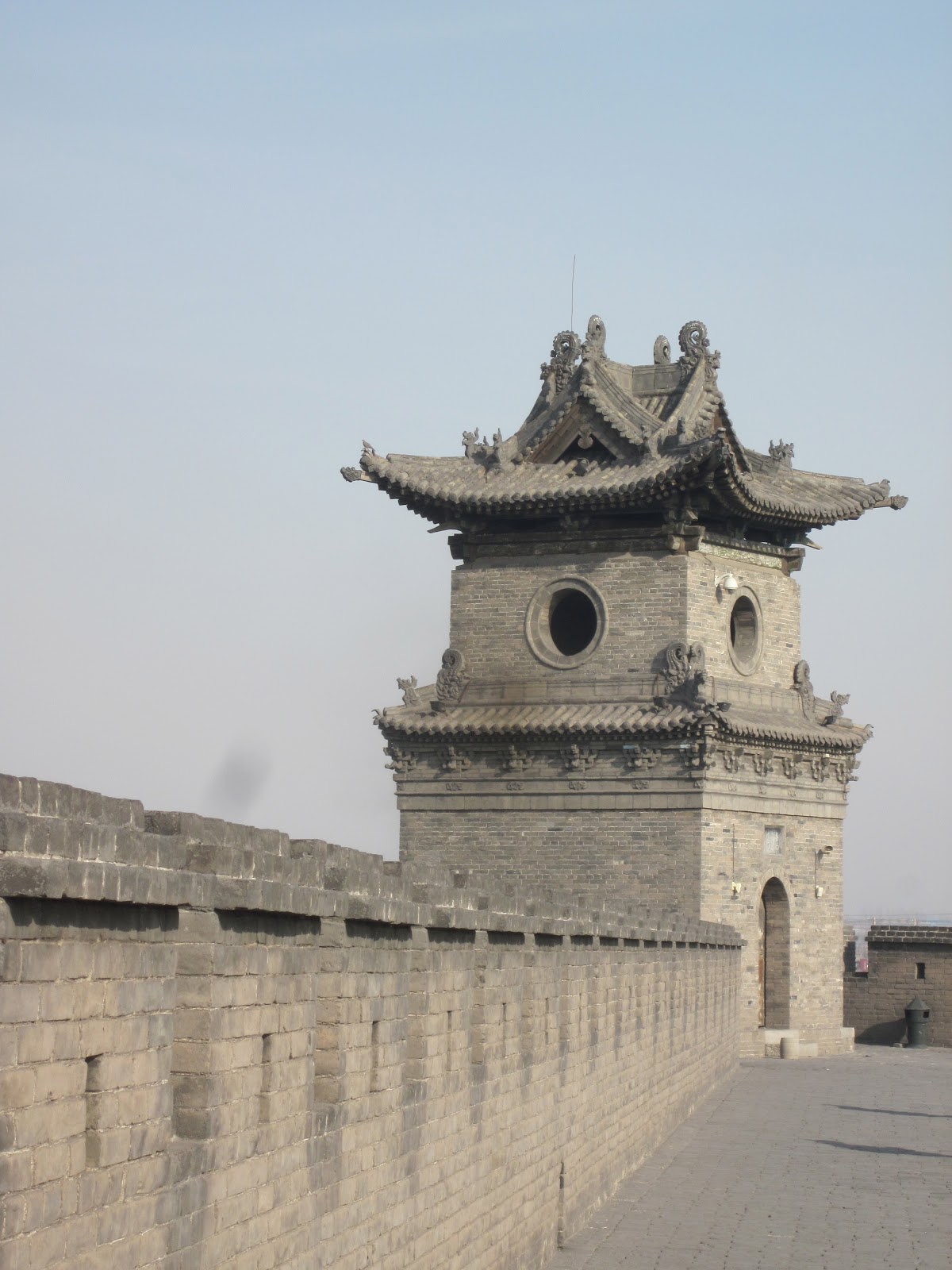
I loved the artisanal roof in this department.
This whole process is not workable without a massive furness to create all the steam and hot water.
The sky was a beautiful color blue.
And the workers relaxed by tending their vegetable garden.
Remember, that at this stage, we still do not have a hat. It now needs to be blocked into a shape and trimmed.