Tuesday, October 20, 2015

AMERICAN MEN AND HATS

Interesting hat article from NPR.

What Hats Tell Us About American Men

Ben Franklin in a fur hat.i
Ben Franklin in a fur hat.
Library of Congress
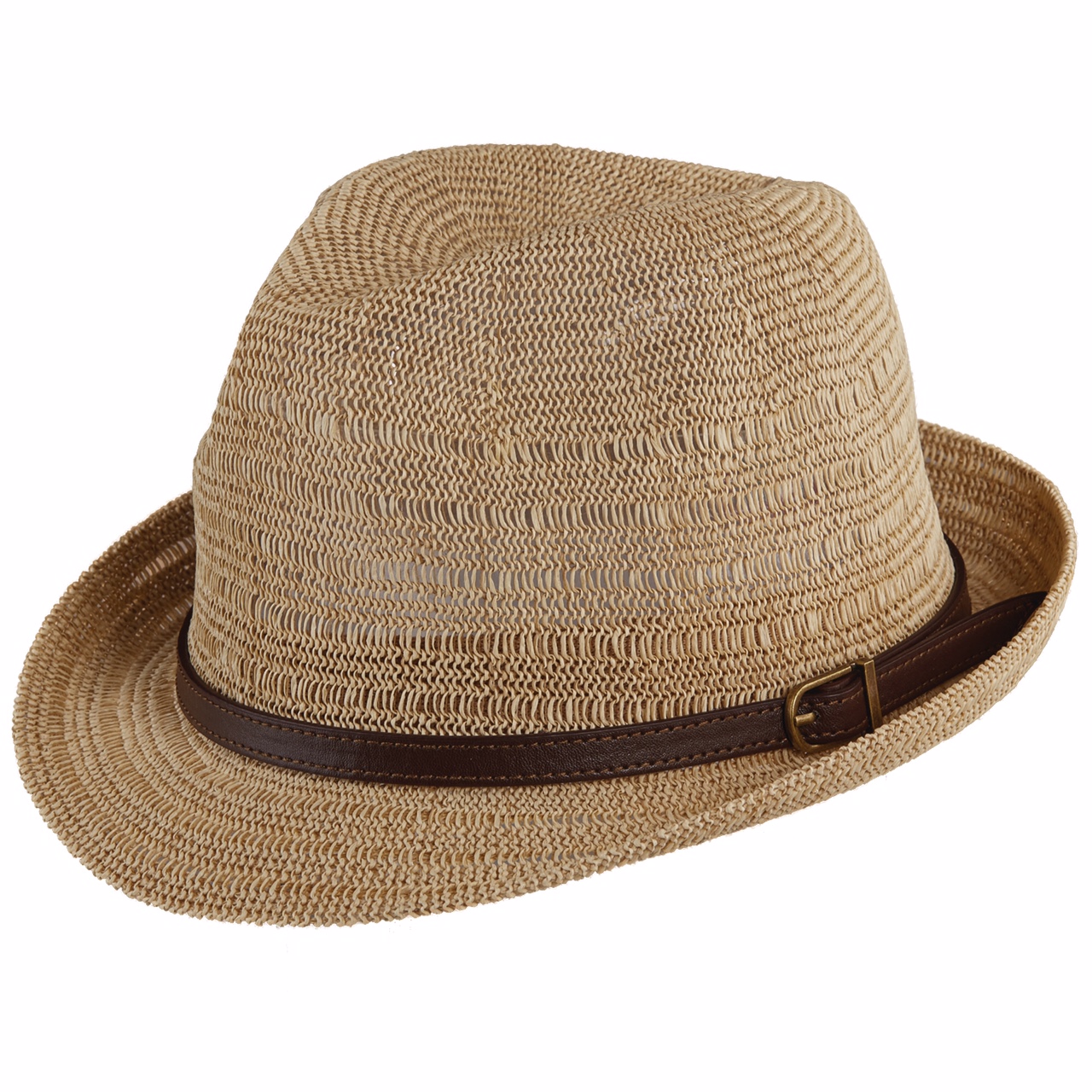
Fedoras, flat caps, baseball caps — hats are prevalent among certain American men these days. Perhaps the hats tell us more about the hat wearer than we realize.
In fact, the National American History Museum points out in its intro to an online hat exhibit that "a hat is much more than a practical device for keeping one's head warm. As a symbol of identity, it also reveals much about the wearer's occupation, social class, cultural heritage, and personal style."
Think about it: George Washington and his tricorn; Abraham Lincoln and his stovepipe. Teddy Roosevelt and his Rough Riders hat. American history was made by men in hats.
For decades and decades, a hat on a man was like a dot on an i, a capstone on a column, a knob on a walking cane. The hat topped everything off, figuratively and literally. And it made a statement.
But what do those hats on historical Americans tell us about the wearers?
Be A Hatter, Not A Hater
The study of the headgear, American "hatology" goes way back. Near the end of the 1800s, a hat-maker in New York City revealed the secrets of reading an American man's personality by the kind of hat he wore. According to a Kansas City Gazette story of Jan. 31, 1890, the unnamed hatter explained to reporter G.H. Sandison that "almost the whole gamut of the human emotions can be expressed by the hat, if one only knows how to do it."
Men often chose hats to reflect their personalities, he said, and not to adhere to the latest trends. "The result is an article that certainly possesses the merit of individuality, if nothing else."
The hatter pointed out that Sen. William Maxwell Evarts of New York, for instance, "never wears a new hat. ... He buys a 6 3/4 fur beaver with a wide straight brim and wears it well back on his head, in a way that is inimitable. In any other hat, he would not be William Maxwell Evarts."
Abram Hewitt with hat in hand, circa 1865.i
Abram Hewitt with hat in hand, circa 1865.
Library of Congress
Milliners at the turn of the 20th century recommended that fur beaver hats — popular for men and women — be dry cleaned.
And prominent New Yorker John Jacob Astor, the unnamed hatter continued, routinely wore "a high hat of a most venerable vintage seven inches in measurement and with a wide, straight brim that gives the wearer a Quakerish aspect."
The silk hat worn by former New York Mayor Abram Hewitt, the hatter pointed out, was about three seasons old. Hewitt's summerware included "a faded white high hat of doubtful age and style."
When a hat ages and the brim begins to give way, he said, "the whole character of the hat is changed. The third season generally relegates a piece of head-gear to the ranks of the 'has-beens' and when a man wears so old chapeau he is justifiably classed with the antiques."
The soft high hat, he proclaimed, "is the hat of men of talent. Just look how many of our great men wear it. There's Thomas Alva Edison, who was never known to wear any other than a soft knock-about. He takes a 7 1/4 hat, which is a very large size." Poet Joaquin Miller, Alfred, Lord Tennyson, Henry Ward Beecher, Oscar Wilde and other "poets, painters, authors and statesmen without number affect the soft hat."
Dinner Plate
Writing in the American Hatter journal of 1915, H.H. Manchester noted that hats in America had a long, venerable history. In 1662 the colony of Virginia offered 10 pounds of tobacco for every good wool or fur hat made in the colony — to promote manufacturing. American colonists became so proficient at making hats — 10,000 were fashioned annually in New York and New England alone — the British Parliament passed a law in the mid-1700s effectively outlawing exportation of hats from the New World.
Meanwhile, Manchester wrote, new hat-making operations opened in New Jersey, Delaware and Connecticut.
The Sandusky, Ohio, Star-Journal reported in 1911 that hatters mostly used the fur of rabbits, nutria, musquash — the muskrat — and beaver's hair.
And wool. When George Washington's Secretary of the Treasury Alexander Hamilton delivered a report to Congress in 1791 about the U.S. wool industry, hat-making was considered one of the economy's shining spots. And according to a manufacturing report based on the census of 1860, millions of hats were being made and sold in the United States.
Cartoon of William M. Evarts, in his signature high hat, 1886.
Library of Congress
By 1890, the unnamed hat dealer was saying that the soft hat "is the American hat, the National head-gear. It lies easy on the head and is cool in the summer and sufficiently warm in the winter, being made in different weights to suit the season. For a century it has been the distinctive mark of men of brains."
Walt Whitman, he said, was "addicted" to a soft hat and "it is really a knock-about, serving as hat, fan and sometimes even as a table cloth. He has been known to eat his dinner out of its capacious crown."
Heads Up
Over the years, other kinds of head toppers, such as bowlers and boaters and cowboy hats and Panama hats, have been trendy. But many American men continue to prefer the soft hats, like fedoras, flat caps and baseball caps.
Except for construction work in hard hat zones.
The hat that an American man chooses to wear does tell us something about his character — and has for centuries. But the kinds of hats its men prefer — flexible, casual, durable, unstuffy — may also tell us something about the character of this country.

Wednesday, October 7, 2015

CALLANAN HATS = NO BAD HAIR DAY EVER!

Admit it, you have all been there.

*Spider roots that desperately need to be touched up.
* Bad color day. OMG, my hair is orange and nothing like the color on the bottle!
* Bad cut.
* The "just out of bed look" that just screams "gurl, get yourself to the hair salon asap!

Stop the panic, stay calm and wear a CALLANAN hat.


Here at Callanan hats we got your covered!

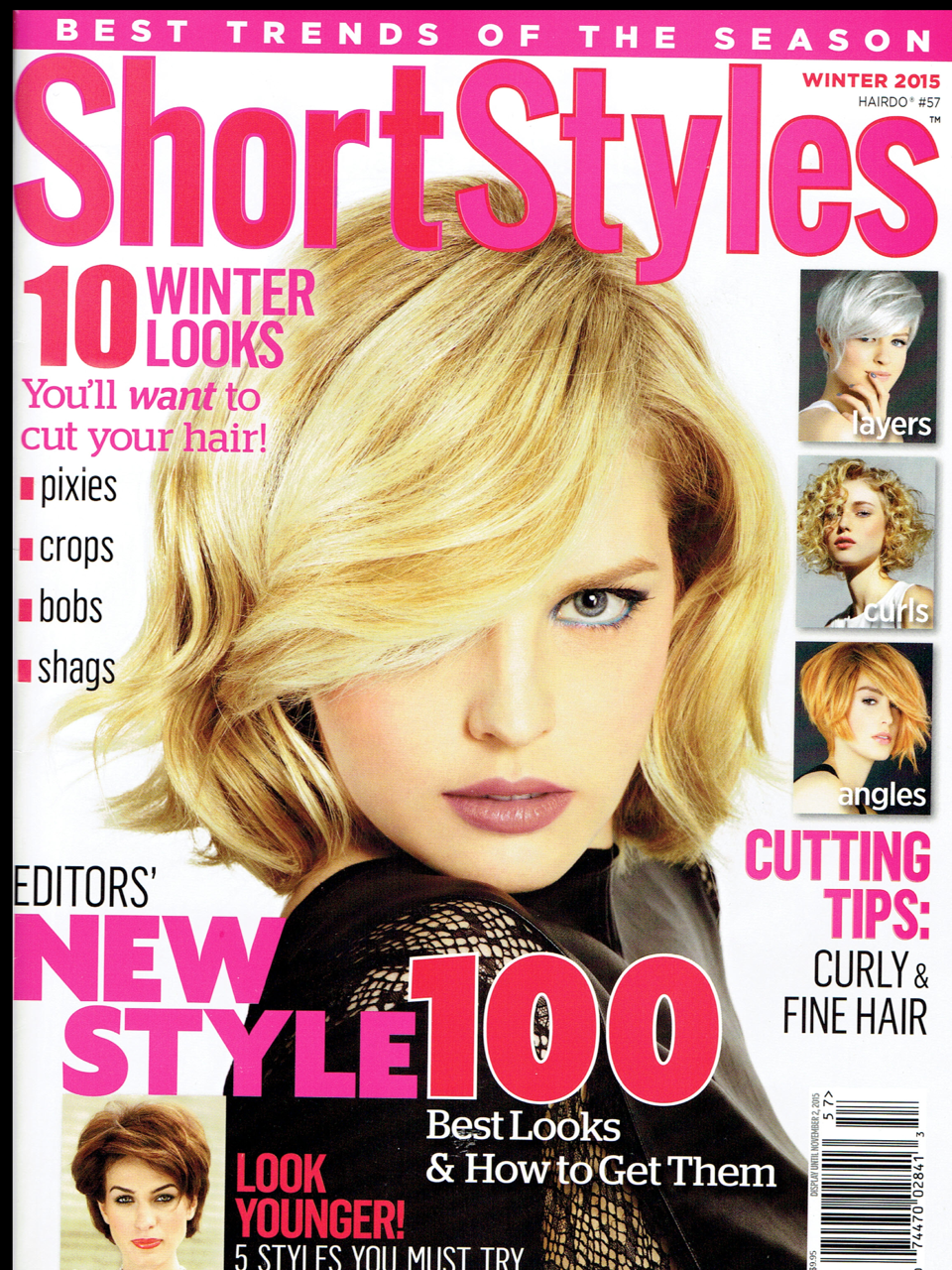
SHORT STYLES WINTER 2015
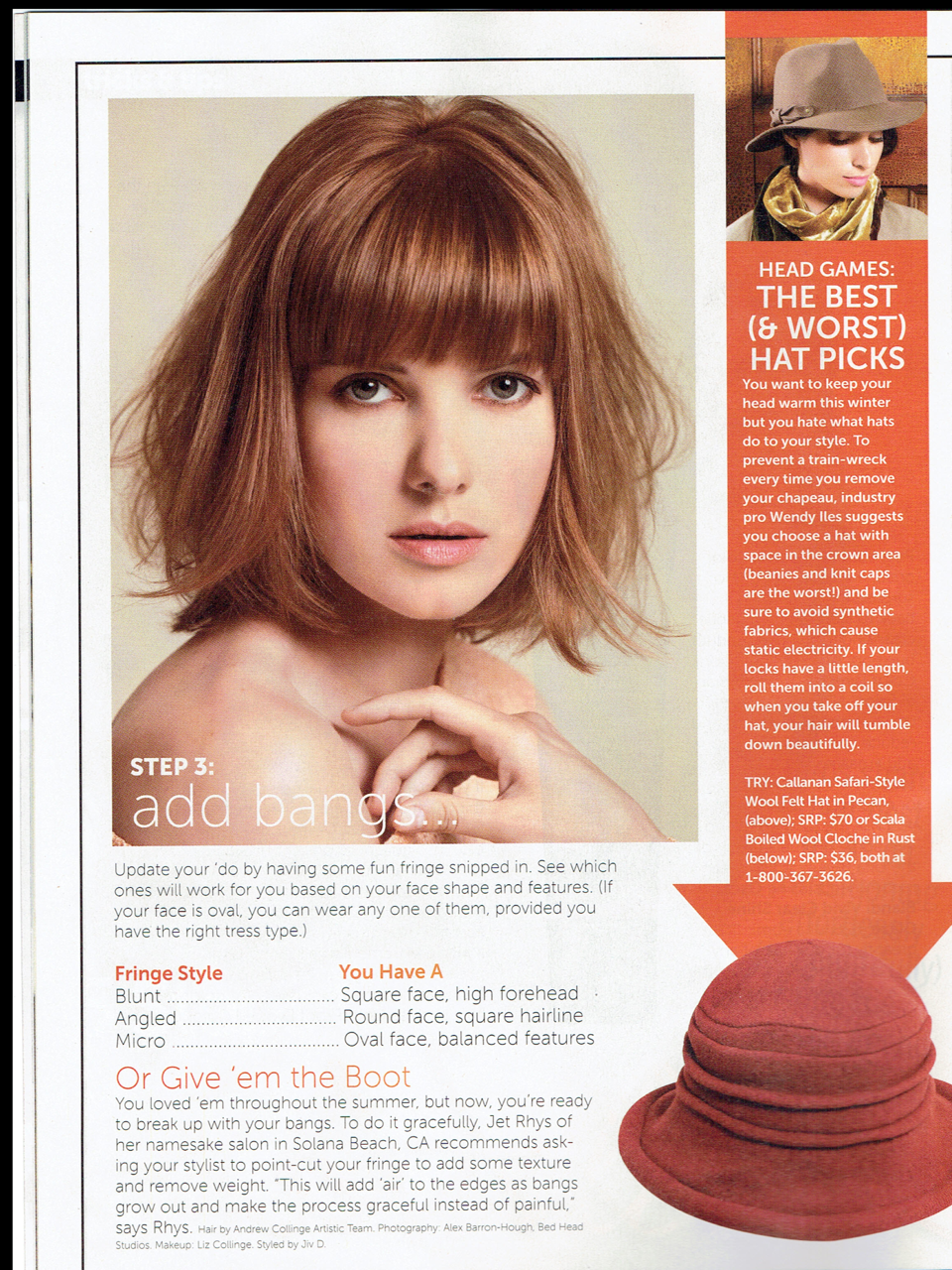
According to SHORT STYLES magazine, you can avoid  a BAD HAIR DAY, by grabbing a Callanan or  Scala hat.

STAY CALM AND GRAB A CALLANAN HAT

Featured hats, CALLANAN LV350-PECAN 100% wool felt safari hat and SCALA LW399-RUST packable boiled wool cloche will get you through the nasty 2015 winter in style.


Thursday, September 24, 2015

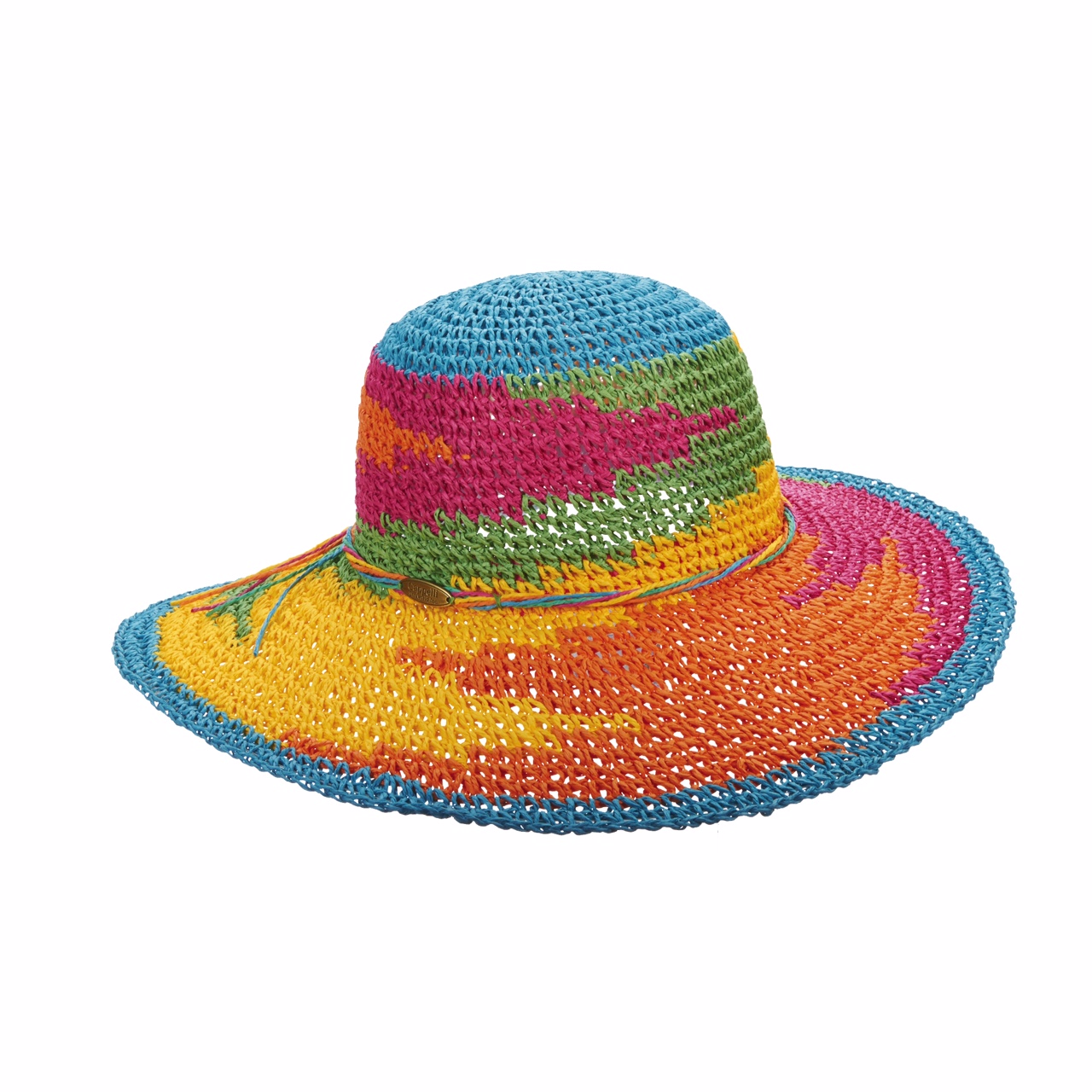
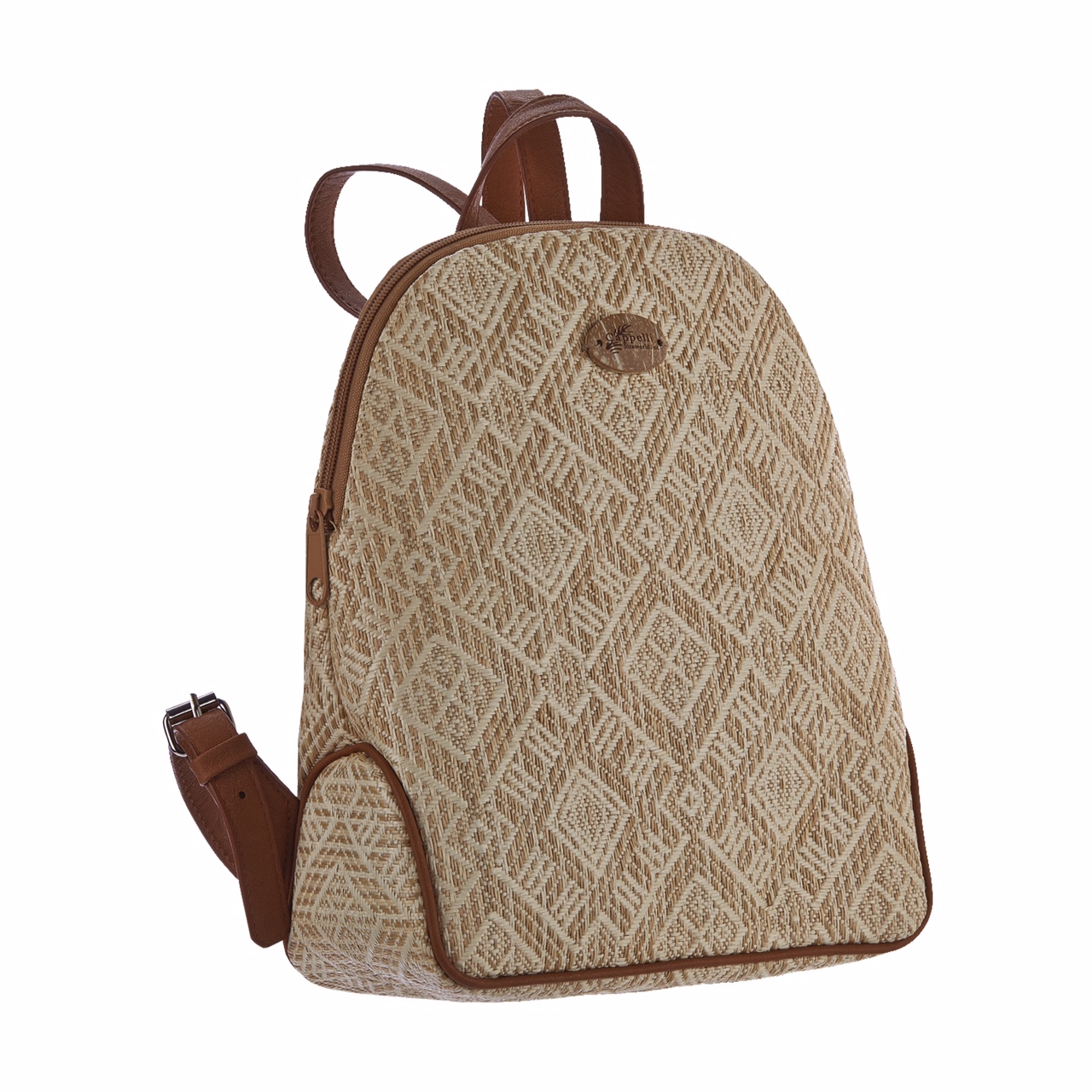
SCALA, CALLANAN, TOMMY BAHAMA and CAPPELLI straworld on trend for S16

Pantone’s Spring 2016 Fashion Color Report: “Transformative”

As a follow up to sell "fashion not hats", check out this report from ACCESSORIES MAGAZINE. I have added hats from the S16 catalogs which merchandise back to the S16 pantone colors. The chosen styles are in fact a random selection from the catalogs. When you look at this report you will see that our collections are strewn with on trend fashion colors and silhouettes.
NONE of the competition offer the gamut of fashion styles and colors that we do.

The PANTONE color names are just syntactics. Most of your customers will not even know them but it's good for you to know them.
You say fiesta, I say orange. You call it coral, I call it peach.

Christian Siriano Sketch
Carlstadt, NJ—Most of the Spring/Summer 2016 fashion shows are taking place at Skylight at Moynihan Station, the historic James A. Farley Post Office in Manhattan. But today’s NYFW news comes from New Jersey, home of Pantone, the color authority.
To coincide with New York Fashion Week, Pantone once again debuts its Fashion Color Report, a comprehensive overview of designers’ use of color in their upcoming Spring 2016 collections. This year’s report features designers including Nicole Miller, Rebecca Minkoff, Pamella Roland, and many others using the top colors of the spring season: Rose Quartz, Peach Echo, Serenity, Snorkel Blue, Buttercup, Limpet Shell, Lilac Gray, Fiesta, Iced Coffee, Green Flash.
The Spring 2016 Pantone Fashion Color Report is one of two semiannual reports published for the fashion industry, features the top 10 colors for women’s and men’s fashions, along with designer sketches and inspirations. (The complete report is available at pantone.com/Spring-2016.)
Rebecca Minkoff Sketch
“The colors emerging in the Spring collections serve as vehicles that transport wearers to more tranquil, mindful environs which encourage relaxation first, followed by curiosity and exploration,” reports Pantone.

‘Calm and Relaxation’

“The color palettes of this season transport us to a happier, sunnier place where we feel free to express a wittier version of our real selves,” said Leatrice Eiseman, executive director of the Pantone Color Institute. “Yet with our culture still surrounded by so much uncertainty, we are continuing to yearn for balance by incorporating those softer shades that offer a sense of calm and relaxation.”
Designers were also inspired by the contrast of urban design and lush vegetation, leading to unexpected color combinations and collections reminiscent of architecture, travel and nostalgia. By creating looks that truly represent the world we live in, both constructed and organic, designers sought to awaken a sense of reflection, followed by playful escapism.

Yoana Baraschi SketchRGB

Fine Art Factor

Fine art is also an inspiration. In particular artists–many of whom are known for bold color usage and strong shapes and lines, played an influential role in this season’s styles – from Matisse, Picasso and Frank Stella to Esther Stewart and Sam Falls. With Cuba and other destinations south of the border top of mind, designers are playing with courageous color statements; coupling these vibrant hues with quieting, classic and more natural tones.
Colors shown on the runway also transcend cultural and gender norms. Vivid brights give way to excitement and optimism, though quiet stability prevails in this season’s palette. For Spring 2016 there are truly no perceivable distinctions in color choices between the men’s and women’s collections, both of which focus on a desire to breathe and reflect, then play.
The top colors for men’s and women’s fashion for Spring 2016 are:
LC541-PINK

LP113-FUCH
PANTONE 13-1520 Rose Quartz - mini Swatch card
Rose Quartz, a persuasive yet gentle tone that conveys compassion and a sense of composure. Like a serene sunset or budding flower, “Rose Quartz reminds us to reflect on our surroundings during the busy but lighthearted spring and summer months.”


CR243-CORAL
LC399-GRAPEFRUIT
TBWL57-CORAL
PANTONE 16-1548 Peach Echo - mini Swatch card
Peach Echo, a shade that emanates friendlier qualities, evoking warmth and accessibility.


LC399-M BLUE
PANTONE 15-3919 Serenity - mini Swatch card
Serenity, a blue sky color comforts with a calming effect, bringing a feeling of respite even in turbulent times. A transcendent blue, Serenity provides us with a naturally connected sense of space.


CR255-ASST NAVY
CR251-ASST NAVY

LD70-ASST ROYAL
PANTONE 19-4049 Snorkel Blue - mini Swatch card
Snorkel Blue is a member of the navy family, but with a happier, more energetic context; it’s maritime inspired, implying a relaxing vacation and encourages escape.


LC399-BANANA
csw232-asst
PANTONE 12-0752 Buttercup - mini Swatch card

Buttercup is expressed designers reveal a shining beacon transporting its wearer to a happier, sunnier place.


LT64-ORANGE
PANTONE 17-1564 Fiesta - mini Swatch card
Fiesta is a high energy harbinger of excitementencouraging free-spirited exploration to unknown but welcoming locales.


LC399-PERIWINKLE

LT176-ASST DENIM
TBWL61-BLU
PANTONE 16-3905 Lilac Gray - mini Swatch card
Lilac Gray has the subtlety of the lilac undertone with a distinctive edge to this classic gray shade.


LC737-ASST KHAKI

LC768-ASST NAT
BAG951-ASST TOAST
PANTONE 15-1040 Iced Coffee - mini Swatch card
Iced Coffee is a transitional color that will take us through the season as another strong neutral. With its natural earthy quality, the softness and subtlety of Iced Coffee creates a stable foundation when combined with the rest of this season’s palette.

LC754-ASST AQUA
CR242-ASST AQUA

CR245-ASST AQUA
TBWL57-AQUA
PANTONE 13-4810 Limpet Shell - mini Swatch card

Limpet Shell is clear, clean and defined shade of aqua that leans toward the green family and is suggestive of clarity and freshness, its crisp and modern influences evoke a deliberate, mindful tranquility.


LC713-ASST GREEN
LC399-MINT
BAG965-ASST
CSW23-ASST LIME
PANTONE 15-0146 Green Flash - mini Swatch card


Green Flash calls on its wearer to explore and escape the mundane, radiating an openness that combines with the rest of the palette in unexpected but serendipitous ways. The popularity of this brilliant hue is representative of nature’s persistent influence even in urban environments, a trend continuing to inspire designers.

Sunday, September 20, 2015

CALLANAN KEEPS IN THE SWIM

Callanan best selling raffia hat style CR212-NAT OR TEA COLORS, is featured in the current ,JULY/AUGUST 2015, issue of THE SWIM JOURNAL. This 100% hand made, crochet raffia hat, is easy to wear and pack for travel. It has a self trim tipped with mother of pearl buttons.


Saturday, August 8, 2015

Check out this delightful 400 years of hats in 3 minute on YouTube

https://m.youtube.com/watch?v=Y9FzD7Bfy6g


Below is a little more detail on some of  today's popular hat styles.


Bowler/Derby/Coke

The Coke, more commonly known as the Bowler, was created at James Lock in 1850 for William Coke, a progressive farmer from Holkham in Norfolk. It was a domed hat, hardened by the application of shellac, devised to protect the heads of gamekeepers from overhanging branches of trees, and closely fitting the head so that it would not easily blow or fall off. The prototype was made by Thomas and William Bowler, hat makers in Southwark. It was brought to St. James’s Street to be tested by William Coke himself. This he did by jumping on it and as it withstood his weight he bought it.
At the shop this masterpiece was naturally identified as a ‘Coke’, but later when it went into production at the rate of sixty thousand a year, it became generally known as a ‘Bowler’, after its maker. In America it became a ‘Derby’ from its association with that famous horse race.
SCALA CLASSICO BOWLER STYLE # WF506-BLK


Straw Boater aka Skimmer

The origins of today’s boater are the sailor’s hat issued to midshipmen in the Royal Navy near the end of the nineteenth century. They were not as stiff as the modern boater but provided protection from tropical sun.
These hats were adopted by children in Victorian England and became part of their school uniforms wearing their school or house colours as bands.
The boater became a popular form of summer head wear for gentlemen as a lighter and cooler alternative to the bowler. For a while they also became popular with costermongers in the East End of London but today they are a rare sight, as it has been eclipsed by the Panama, and are mainly seen as part of the summer social scene at Henley Royal Regatta.
SCALA PANAMA BOATER P369-NAT
Here we have a shellacked braided Laichow boater.
SCALA CLASSICO SEWN LAICHOW BRAID BOATER MS369.


Trilby aka snap brim fedora

The Trilby is named after the female heroine of a novel of the same name written by George du Maurier. The novel was serialised in Harper’s New Monthly Magazine and was also made into a stage play. Trilby O’Ferral, the beautiful artist’s model who fell under the spell of Svengali, wore the soft indented felt hat in an 1895 dramatisation.
After the turn of the century the Trilby became more popular as men rejected the more formal stiff hats that were the vogue of the previous century. The Trilby was very much an American fashion but quickly spread to the rest of the world helped by the medium of film. It is also known as the snap-brim fedora.
SCALA SNAP BRIM FEDORA WF536

Fedora

The name “Fedora” comes from the heroine of French playwright Victorien Sardou’s drama presented in Paris in 1882. The hat soon became popular with men in the same way as the trilby.

SCALA CLASSICO FEDORA DF121

Panama

Panama hats are woven exclusively in Ecuador and are hand-woven from the Tequila Palm.
The origins of the hat go back to the 16th century when the Incas were the first to use the Tequila palm to make hats.
The term Panama comes from the number of workers building the Panama Canal who used the hat for protection against the sun.
In 1855, a Frenchman living in Ecuador took some samples to the World Exhibition in Paris and the finest quality panama was presented to Emperor Napoleon III.
Every Panama hat is unique as the making of the hats is a cottage industry and some of the finest panamas are made in Montecristi. The finest woven hats can take up to 6 months to weave and can command very high prices. The best hats have to be woven in the right conditions and humidity. The weavers split the fibre razor thin and plait ring after ring of palm fibre constantly dipping their finger tips into water.
The finest panamas have a very silky texture and when held up to the light you can see a spiral of rings together with the weaver’s signature. These rings are called ‘vueltas’ and the more there are determines the quality of the hat.
Panamas are exported from Ecuador in the form of hoods. These are then blocked by specialist hat factories into the two principal shapes which is the Fedora and the Safari.
The origin of the black band on the Panama dates back to 1901 when Queen Victoria died.
SCALA PANAMA BLOCKED IN THE USA P1230NAT
Panama hats are very popular with the ladies for summer 2015/2016.
CALLANAN LADIES PANAMA.

Top Hats

The top hat was originally a French invention and quickly became the status symbol for the nineteenth century gentleman and replaced the cocked tricorns (3 corners) and bicorns  (2 corners) that had been fashionable in the previous century.
The first top hats were made from beaver but a new material appeared called ‘hatter’s plush’ which is the trade’s term for what the public think of as silk. It was very fine silk shag, applied to the felt to give it a nap. The first man who was credited with wearing this new creation in London, the hatter John Hetherington, nearly caused a riot and was arrested for wearing a hat that was ‘calculated to frighten timid people’ (St James’s Gazette).
After this poor start the top hat soon became the conventional head wear for gentleman in Britain, Europe and the United States. It was seen as a symbol of wealth and social standing and able to enhance the wearer by making them seem taller, more refined and handsome. It is impossible to do manual labor while wearing this hat ,so it was worn exclusively as a status symbol.
SCALA CLASSICO 7" WOOL TOP HAT
SCALA CLASSICO 5 1/4" WOOL FELT TOP HAT

Back in France a Monsieur Gibus had invented a collapsible top hat known as the chapeau claque. This made storage much easier and could be easily placed under the seat of an opera house which gave the hat the name “opera hat” or the wearer could hold it under his arm giving the hat a third name “chapeau bras” (arm hat).
Today top hats are still worn all over the world at weddings and if you are invited to the Royal Enclosure at the Royal Ascot race meeting gentleman must be wearing either a grey or black top hat.

Mad as a Hatter
Mad hatters disease was a physical disorder that affected the nervous system and was caused by inhaling toxic fumes from mercury nitrate, a chemical used in the felting process. As well as the damage caused to the lungs the fumes affected the brain which led to paralysis, loss of memory, mental derangement and eventual death.
The symptoms were also recognized in the United States where the condition was known as the ‘Danbury Shakes’ after the town in Connecticut that was the centre of top hat manufacture.
As tragic as this was hat workers did not get much sympathy and victims of the condition were mocked in the nineteenth century and treated as drunkards (although hat workers were notorious for quenching their thirst caused by the dust and fumes of their occupation).
The term ‘Mad as a Hatter’ was made famous by Lewis Carroll in his novel Alice’s Adventures in Wonderland which was published in 1865 a year after the Factory Act of 1864 was passed, which among other things, required proper ventilation in workshops.
In the scene where the Hatter is being tried by the King, the King notices that the Hatter looks uneasy and anxious, and trembles so that he took both his shoes off – “Don’t be nervous”, said the King, “or I’ll have you executed on the spot!” Carroll describes here the symptoms of a sufferer in the first stages of the disease.